400 Veterans Blvd., Carlstadt, NJ 07072 Phone: (212) 741-7788. An MSEDP Webdugout Website V5 Sitemap. Sewing machine A machine with a mechanically driven needle for sewing or stitching cloth a textile machine used as a home appliance for sewing A sewing machine is a textile machine used to stitch fabric,paper,card and other material together with thread. Sewing machines were invented during the first Industrial Revolution to decrease the amount of. Dressmaker Sewing Machine Serial Numbers These come in handy when you need to find replacement parts for your Dressmaker sewing machine. One serial number is 539005123 and that should help you locate the parts you need. One place to look would be at the following link. A sewing machine by any maker with a serial number of 500 or less would be considered early, desirable and pretty rare. Low serial numbers by more obscure makers would be even better. At the left is an example of a sewing machine called the Ne Plus with serial # 21.
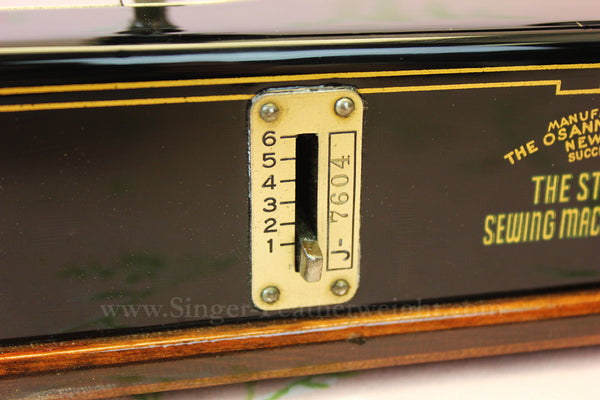
Locate the Sewing Machine Serial Number
All sewing machines – even vintage models – have serial numbers imprinted on them. Usually, the serial number is located somewhere on small plate on the front panel of the machine. Once you have located the serial number, jot them down.
Do Some Research
Now that you have the serial number, you can dive into the history of the machine by doing a little bit of research. There are plenty of places that offer sewing help, including assistance with identifying a vintage sewing machine. In fact, you can even find charts online, or you could ask a local seamstress for some input. Another option is to speak to someone that specializes in antiques. Older sewing machines, particularly Singer sewing machines, are extremely valuable and many people who have interest in antiques will likely have some knowledge about the history of these machines.
Assess the Accessories
If, for some reason, you cannot locate the serial number of the sewing machine, or if you are having a hard time finding information about the serial number, the accessories can serve as clues to the age of the machine. For example, determine if it’s a manual or an electric sewing machine. True vintage sewing machines were manual, and as such, they will not feature any electrical mechanisms; therefore, if the machine in question does not have any electrical parts, there’s a good chance that it’s been around for a while.
Take a look to see if the sewing machine features a hand crank mechanism and a foot pedal; if it does, that definitely means that it is manual and therefore, vintage. The hand crank mechanism and the foot pedal are what were used operate and guide the needle. The materials that the sewing machine is made of can also give you some insight into its age; for example, vintage sewing machines were often made of cast iron and other highly durable metals, as well as dense woods.
Summing It UpFind Free Sewing Machine Manuals Or Replacement Manuals
Whether it’s a family heirloom or something that you found at a flea market, a yard sale, or an antique shop, a vintage sewing machine is a wonderful thing to have. We recommend holding onto it for safe keeping; however, depending on the age and the history, it could be worth a good bit of money!